Living Room
Small Living Room Sectional Layout Ideas
Practical sectional layout tests for small living rooms—decide which side gets the chaise so you gain seating without blocking doors, windows, or paths.
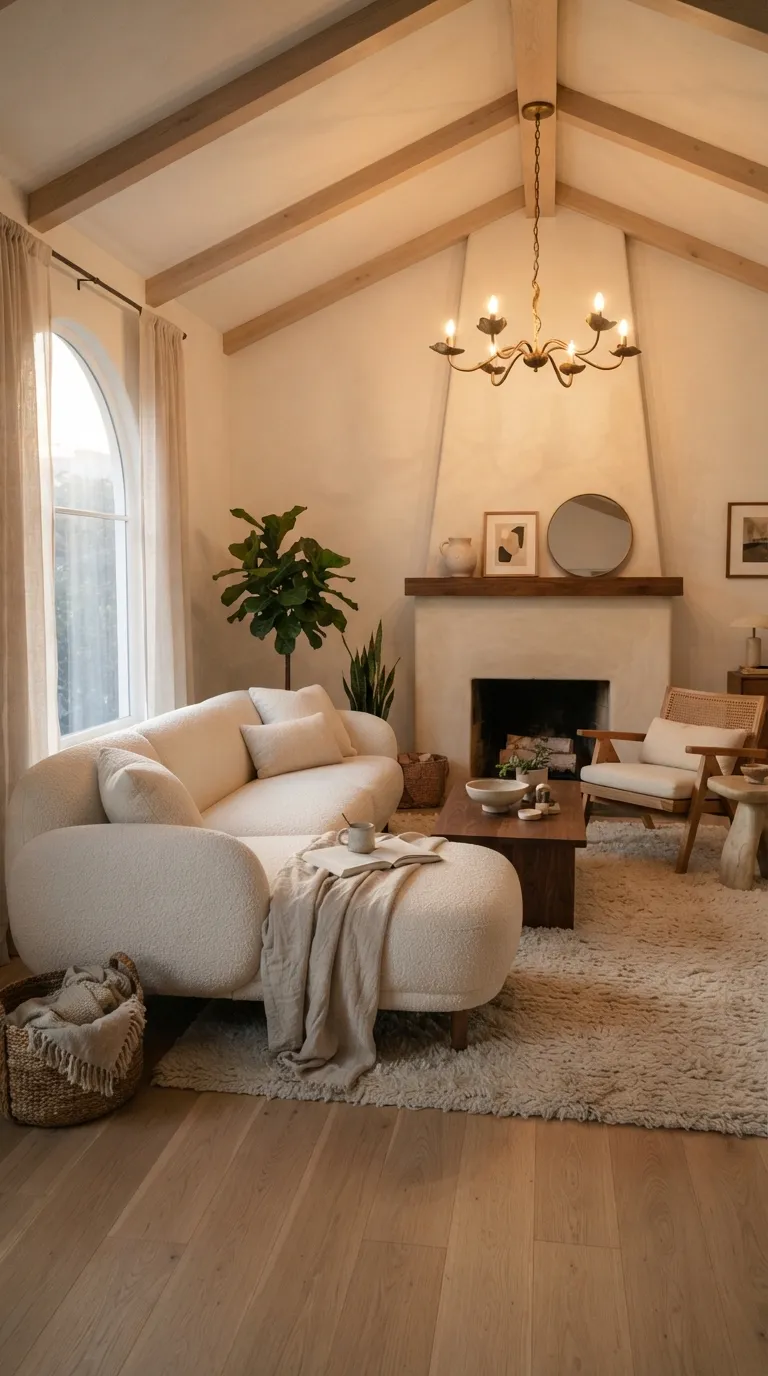
A chaise isn’t decorative fluff; it’s a built-in aisle buster. In a tight living room the chaise’s tip becomes a constant geometry problem: it either earns its floor space by providing seat depth and a lounge point, or it creates a daily pinch point that forces detours, blocks a window, or prevents a door from opening fully. The first two moves for any buyer are simple and decisive—map the chaise’s projection, and choose the side that never needs to be crossed during routine movement. Do that, and the chaise functions; ignore it, and the sectional becomes a permanent obstruction.
Start with the room’s real constraint: where people actually walk, where doors swing, and what windows must open. Sketch the sofa run and then draw the chaise as a rectangle to its full tipped extent. Compare that projection against the main entry approach, any door arcs, the route to the far side of the room, and window sash paths. If the projection overlaps a daily path, either flip the chaise, pick a sectional with a reversible but lockable orientation, or skip the chaise for a sofa-plus-chair scheme that preserves free movement. These moves are practical and testable, not aesthetic.
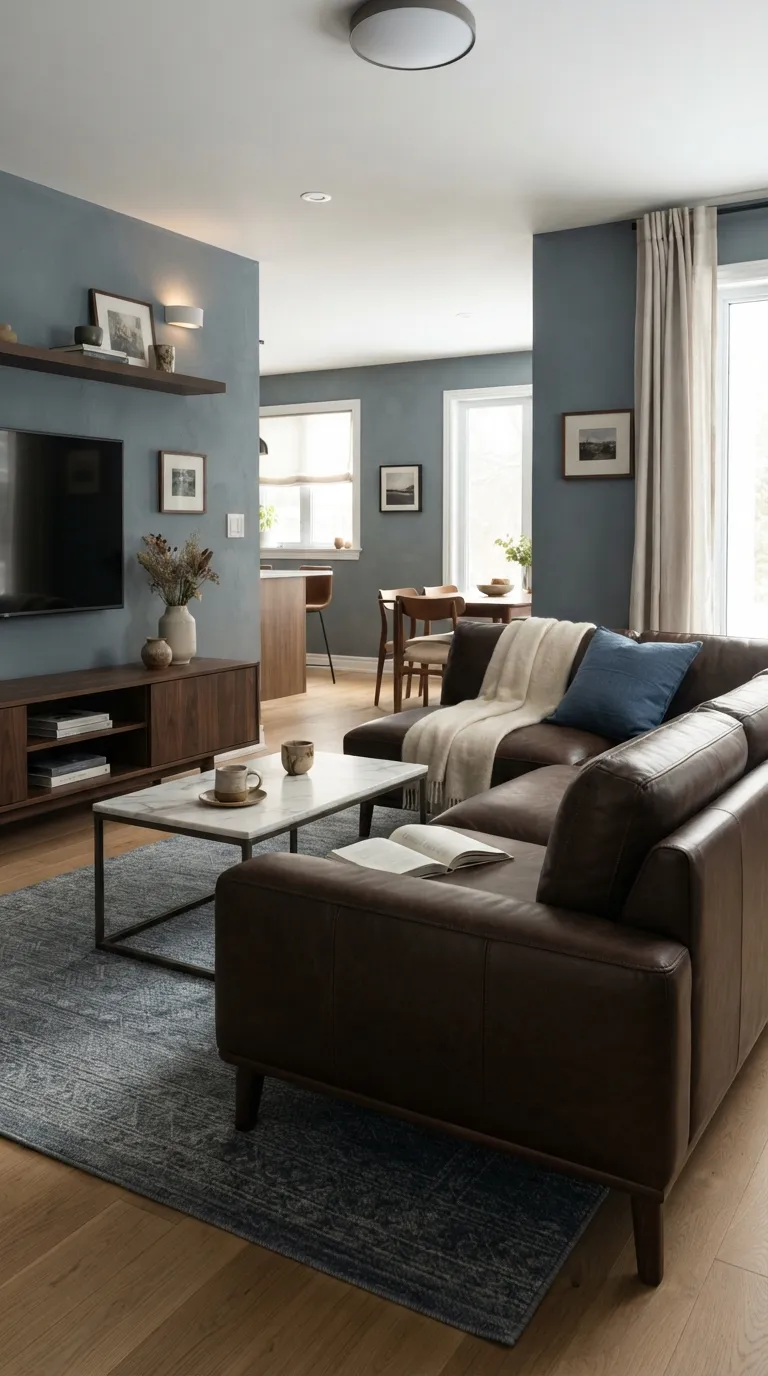
Corner sectional with chaise away from the entry path
Furniture placement: L-shape tucked into the corner with the chaise on the wall-side opposite the entry. The result is concentrated seating and an uninterrupted entry approach.
Movement, sightline, and access consequence: this keeps the primary doorway and walking route clear and avoids cutting off the room’s flow.
Configuration decision: use a fixed-corner sectional only if the chaise points toward the window or wall, not toward the entry. Otherwise choose reversible or modular pieces.
What to measure or mock up: tape the chaise footprint on the floor from the corner to its tip; walk the entry path while the taped footprint is in place. Check the door swing if an adjacent door opens toward the chaise.
Reversible chaise placed under a window without covering its operation
Place the sectional run under the window with the chaise on the side that does not overlap the sash swing or sliding track.
This keeps natural light and window use intact while preserving lounge space.
Require a reversible chaise that locks in orientation, or choose a modular ottoman as a backup if sash clearance is tight.
Measure the window sash or handle swing and any vertical drop where casing or blinds require clearance. Tape out the chaise edge to verify you can still reach and open the window.
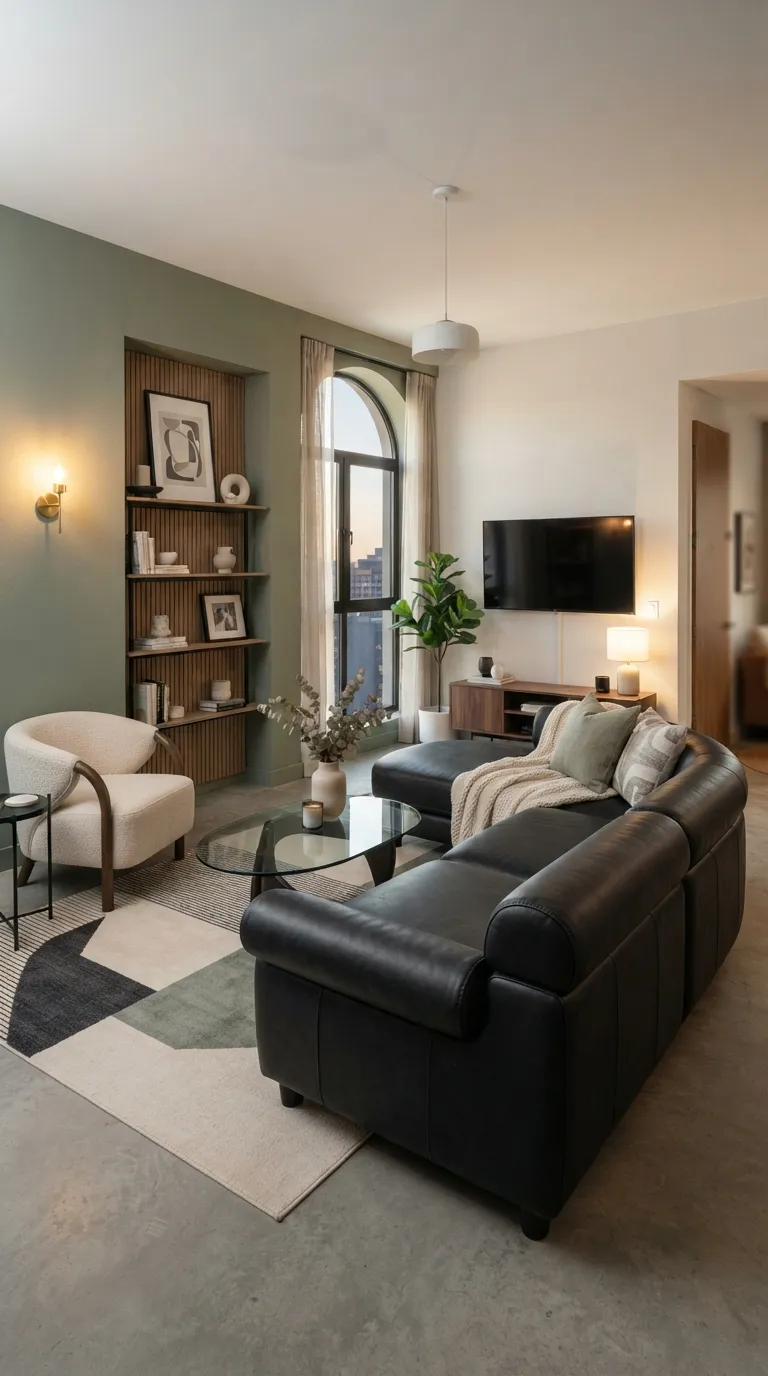
Apartment layout with sectional facing a slim media wall
Orient the sectional toward a slim vertical media wall, with the chaise running parallel to the main circulation lane but stopping short of it.
A low-profile chaise preserves sightlines to the television and windows, while a slim-arm sectional adds seating without unnecessary bulk.
Favor narrow-arm or low-back pieces so the chaise does not dominate the approach from the kitchen or hallway.
Mock up the media console depth plus the television-to-seating relationship and measure the walkway beside the chaise to preserve comfortable passing.
Small square room using a sofa-chaise hybrid and movable ottoman
Place a sofa-chaise hybrid along one wall and use a small movable or storage ottoman where a fixed chaise would otherwise project into the center route.
The ottoman can move when a clear diagonal path is needed and return to provide chaise-like depth for lounging.
A compact modular sectional with a removable ottoman gives up some of the integrated feel of a fixed chaise but gains flexibility.
Test the ottoman in both positions and verify that moving it genuinely opens the circulation path.
Door-heavy room where a loveseat and swivel chair beat an L shape
When several door swings compete with the seating area, replace the L-shaped sectional with a small loveseat on the main wall and a swivel lounge chair that can turn toward the door, television, or conversation.
This eliminates a permanent chaise projection, clears the door swings, and creates seating that responds to different activities.
Choose a low-back loveseat and a swivel chair with a narrow footprint rather than forcing an L shape into the available space.
Measure the door swing arcs and path between doors. Tape a chaise rectangle where the sectional would sit; if it touches a swing path, use the loveseat-and-swivel arrangement instead.
Practical finish
When shopping, bring the dimensions of your taped chaise footprint and a photo of the room approach from the entry. In a showroom, test the reversible mechanism and confirm what locks or pins hold its orientation.
If a window or door will sit beside the chaise, simulate the sash or swing while the chaise footprint is taped on the floor. Small-room sectional success is less about style than the side you give the chaise: choose the side that never interrupts everyday movement, and you gain lounge depth without sacrificing a working floor plan.
For additional layout and measuring guidance, the referenced sources emphasize circulation, test-fitting, sightlines, and accounting for doors and windows before buying. [1][2][3]
Sources
[1] Architectural Digest — 51 Small Living Room Ideas for a Cozy Common Area
https://www.architecturaldigest.com/story/small-living-room-ideas
[2] HGTV — Simple Living Room Layout Ideas
https://www.hgtv.com/decorating/living-and-dining-rooms/living-room-layouts-pictures
[3] HGTV — How to Create a Floor Plan and Furniture Layout for Your Living Room
https://www.hgtv.com/decorating/design-ideas/how-to-create-a-floor-plan-and-furniture-layout